Film & Live Performance
Weather Delays and Environmental Decisions
Heat, lightning, wind and water change action schedules. How public weather guidance shapes delay conversations without replacing local authority.
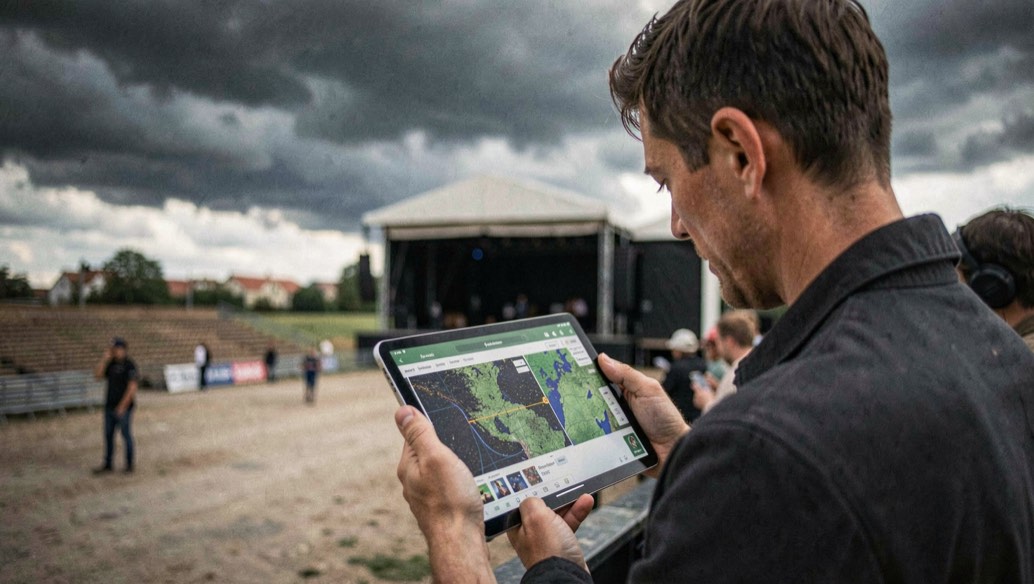
Environmental calls begin before weather becomes dramatic. Heat load, hydration access, surface moisture, visibility, wind and lightning distance all alter readiness.
Lightning Timing Is Public Guidance
The U.S. National Weather Service emphasizes having a plan before activity begins and seeking shelter when thunderstorms threaten. Exact thresholds and restart times come from event authorities and local forecasts.
Heat Changes Work-Rest Logic
Heat guidance commonly considers temperature, humidity, sun, clothing and exertion. Productions add costume weight, lights, vehicles and limited shade. A written trigger beats improvisation.
Wind and Water Need Specialists
Temporary structures, elevated work and water operations require qualified assessment. A journalist can identify the trigger categories without approving a go or no-go decision.
The Weather Call Is a Production Role
Forecasts are only useful when someone is assigned to monitor them, understands the plan and has authority to act. The National Weather Service recommends that organized outdoor activities create a lightning safety plan before people arrive and designate a monitor who is not distracted by another primary duty. Productions can apply the same governance lesson across heat, wind, visibility and water conditions.
A plan should identify information sources, decision points, safe locations, communication methods and the person who can stop or restart activity. It must also account for travel time. Moving a small crew into shelter is different from moving a public audience, equipment team or performers in restrictive costume. A trigger that ignores evacuation time arrives too late.
Different Hazards Need Different Evidence
Lightning is not managed by intuition about rain overhead. Heat involves temperature, humidity, radiant load, clothing, exertion and individual condition. Wind affects temporary structures, elevated work, airborne material and communication. Water work adds current, temperature, visibility and rescue access. One weather app cannot replace specialists, local observations and the controlling authority for each environment.
Surface conditions deserve separate attention. Moisture, dust, ice or temperature can change traction and equipment behavior before the sky looks dramatic. Recording those observations helps explain why a hold occurred and whether conditions actually returned to the approved range.
A Restart Is a New Decision
When a hazard passes, schedule pressure often becomes strongest. Restarting should not be the automatic opposite of stopping. People, surfaces, structures and equipment may need renewed checks, and a delayed call can change light, traffic control, tides or permits. The plan should state who confirms readiness and what must be repeated.
- Who monitors each environmental hazard and from which official sources?
- How long does the whole group need to reach an approved safe location?
- Which conditions create a hold, cancellation or change of scope?
- How are performers, crew and audience informed in accessible language?
- What inspections and briefings are repeated before restart?
The National Weather Service's outdoor-activity guidance makes planning, shelter and assigned decision authority explicit. HSE entertainment resources similarly separate hazardous production activities and temporary environments. The Review summarizes those governance principles and links to the authorities; it does not issue a site-specific weather call.
Source trail
National Weather Service guidance for organized outdoor activities calls for a lightning safety plan, an assigned weather monitor, identified safe locations and restart criteria. Its public material also explains why organizers should account for the time required to move a group. HSE entertainment guidance provides a second institutional route for film, television and event environments.
Local forecasts, venue procedures and authorities control a real decision. This article does not set wind, heat, lightning, water or structural thresholds. It explains what a decision system needs to name so that a qualified team can act before conditions become dramatic.
Editorial conclusion
Environmental readiness is a governance problem before it is a forecast problem. Someone must monitor, someone must decide, the group must know where to go, and restart must include renewed checks. Official guidance supplies principles, while the venue and qualified authorities set actual thresholds. A schedule cannot overrule that chain of responsibility. Records of holds, messages and changed conditions also help the next event improve its plan instead of relying on memory.