Training & Fitness
Periodization Vocabulary Without the Jargon
Macrocycle, mesocycle, deload and taper translated into planning ideas performers and fans can actually discuss.
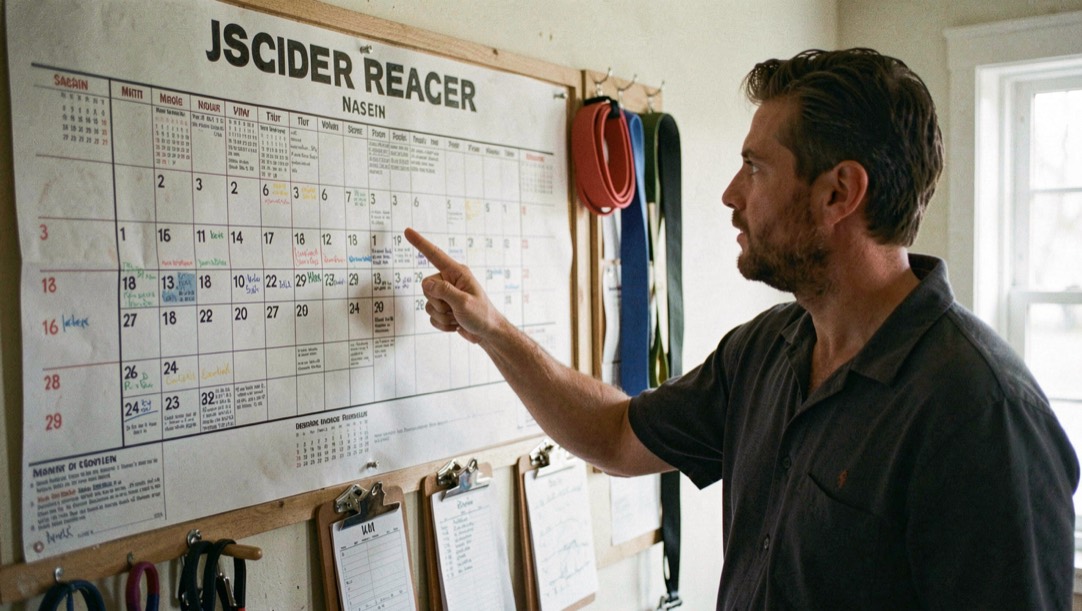
Periodization sounds mathematical because it borrows from calendars. At its simplest, it asks when to build capacity, when to sharpen it, when to recover and when to perform.
Cycles Within Cycles
A macrocycle may cover a season, a mesocycle several weeks and a microcycle one week. Those labels are less important than the pattern of accumulating stress and then reducing it so adaptation appears.
Deload and Taper
A deload reduces volume or intensity temporarily to dissipate fatigue. A taper lowers workload before an event to favor freshness while preserving skill. Both are common concepts in endurance and team sport literature.
Why Fans Should Care
Understanding these cycles helps viewers see why a comeback narrative is not just willpower. Schedules, travel, injury history and role changes all alter what preparation can realistically include.
A Calendar Is a Model, Not a Guarantee
Planning cycles help teams distribute stress, practice and recovery, but they do not make production life predictable. A season plan may identify broad phases, while shorter blocks organize a few related priorities and a weekly plan translates them into actual sessions. The labels macrocycle, mesocycle and microcycle are useful only when they make decisions clearer. They are not evidence that a plan is scientific, and different sports or performance traditions may use the terms differently.
The central problem is managing competing demands. A performer may need strength, technical rehearsal, costume work, travel and camera tests in the same period. Increasing everything at once usually hides which input caused progress or excessive fatigue. A good plan establishes priorities, protects essential skill practice and accepts that some qualities are maintained rather than maximized during a busy production phase.
Load Has More Than One Dimension
Volume describes how much work occurred, intensity describes how demanding it was, density describes how closely efforts were packed, and complexity describes how much coordination or attention the task required. Two sessions with the same duration can therefore create very different burdens. External load records what was done. Internal load describes how the person experienced it through effort, symptoms, sleep or other monitored responses.
These records are useful because fatigue is not always visible in a single performance. Trends matter more than dramatic daily numbers. A missed night's sleep, long journey or stressful rehearsal can change what the same planned session means. Monitoring should support conversation and adaptation, not become a surveillance score that pressures someone to hide discomfort.
Deloads, Tapers and Return to Work
A deload temporarily reduces part of the workload so accumulated fatigue can fall. A taper reduces work before a priority performance while retaining enough stimulus to preserve readiness. Return-to-work planning after injury is a different process that belongs with qualified medical and performance staff. Treating all three as "taking it easy" erases their different purposes and decision-makers.
- Identify the production or performance dates that cannot move.
- Mark technical rehearsals before adding optional conditioning volume.
- Record changes in schedule, travel and recovery alongside formal sessions.
- Define who can modify the plan when symptoms or production demands change.
- Review trends at useful intervals instead of reacting to every isolated fluctuation.
Periodization is therefore best read as an organizing language. Public health guidance can establish broad activity concepts, while a role-specific plan needs individual assessment and coordination with production. The Review evaluates whether a planning argument states its assumptions, acknowledges uncertainty and separates general education from personalized prescription.
Source trail
The distinction between general activity, fitness qualities and progressive participation is grounded in the Physical Activity Guidelines for Americans. Periodization terms themselves are used across coaching traditions with varying definitions, so the Review presents them as planning vocabulary rather than one official model.
No public calendar can account for an individual's injury history, medical condition, sleep, travel or production demands. A real plan belongs with qualified staff who can observe response and change it. The article evaluates whether a planning claim names its priorities and evidence, not whether one template is universally correct.
Editorial conclusion
A useful calendar makes trade-offs visible. It shows when skill is practiced, when general capacity is emphasized, where recovery fits and who can change the plan. The vocabulary matters only insofar as it improves that conversation. A simpler plan that responds to evidence is stronger than an elaborate chart that cannot adapt to real production conditions.