Film & Live Performance
How Set Hierarchies Shape Risk Decisions
Directors, coordinators, assistant directors and crew create overlapping checks on set. A plain explanation of authority and stop-work culture.
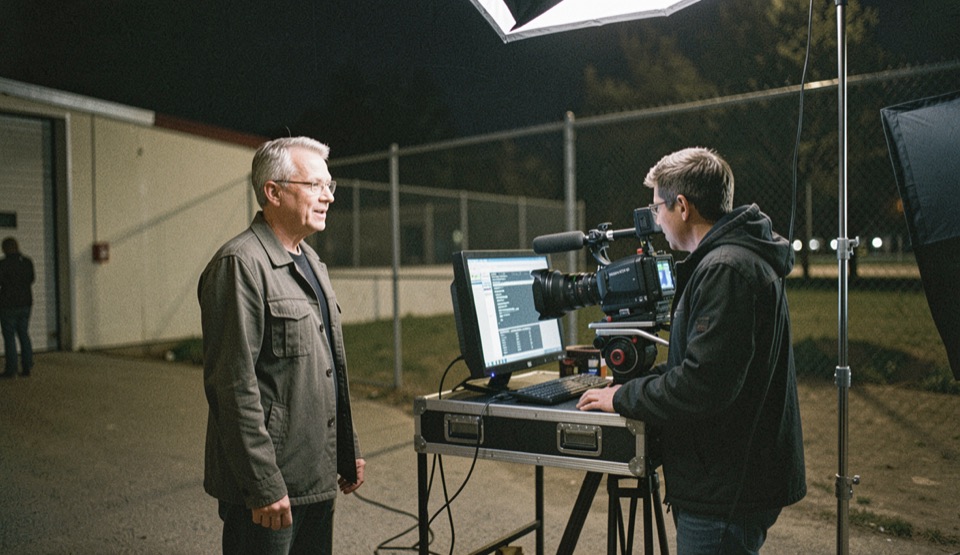
Film sets combine creative hierarchy with operational checks. A director pursues story; a stunt coordinator owns specialized action planning within the production's rules; assistant directors manage schedule; department heads speak for their crews.
Creative Pressure Is Real
Budgets close, light fades and actors have limited availability. Good risk systems acknowledge pressure rather than pretending it away. Written scopes, rehearsals and signoffs turn intentions into accountable steps.
Stop-Work Authority
Many professional workplaces recognize the principle that workers should be able to raise imminent-danger concerns without fear. The exact policy varies by jurisdiction and employer, but the cultural signal matters: silence is not a safety system.
Live Events Add Public Variables
A stage show adds ticket holders, weather, temporary structures and crowd movement. Venue rules, local authorities and independent engineers enter the decision chain earlier than on many closed sets.
Authority Is Distributed, Not Vague
A film set has a visible creative hierarchy, but risk decisions cross several reporting lines. Producers hold organizational responsibilities, assistant directors coordinate the working day, department heads control specialized work, and stunt coordinators plan and oversee stunt activity within the applicable agreement and production system. Performers and crew also contribute observations that senior staff cannot see from a monitor. Clear authority means these responsibilities are named before pressure arrives.
SAG-AFTRA's standards ask stunt coordinators to take appropriate action for safety and to engage proactively with departments such as assistant direction, special effects and props. That wording matters because a stunt does not exist in isolation. A prop choice can change grip, wardrobe can limit movement, camera placement can alter spacing, and scheduling can reduce rehearsal time. Coordination makes those dependencies visible.
Meetings Convert Plans Into Shared Knowledge
A plan held by one specialist is not yet a functioning production control. The people affected need the relevant information, including the intended sequence, restricted zones, communication cues, abort conditions and who owns each call. Briefings also create an opportunity for questions from performers or crew who encounter a conflict. Attendance and comprehension matter more than simply proving that a meeting happened.
Changes after the briefing need a defined path back through review. A revised camera angle, substitute performer, wet surface or delayed schedule may appear small to one department while affecting another department's assumptions. The most mature production cultures treat re-briefing as normal work rather than a sign that the first plan failed.
Schedule Pressure Needs a Counterweight
Time, weather, location access and actor availability all create legitimate production pressure. The danger comes when those constraints remain implicit and are borne by the person with the least authority. Written scopes, visible hold points and an understood route for raising concerns create a counterweight. They make it possible to distinguish a creative preference from a condition that requires reassessment.
- Who owns the specialized plan and who can approve a change?
- Which departments must participate before the work proceeds?
- How can a performer or crew member raise a concern?
- What information is repeated when people, equipment or conditions change?
- Where is the final decision recorded for later review?
A journalist cannot certify a set from finished footage. A useful article can, however, identify the documented roles, compare public standards and ask whether a production has explained its coordination process. This approach supports accountability without inventing events that are not in the record.
Source trail
The clearest primary source is SAG-AFTRA's Standards and Practices for Stunt Coordinators. It describes appropriate safety action, reporting under the agreement, proactive coordination with other departments and relevant performer attendance at safety meetings. The eligibility process separately explains why qualified coordination is required when stunt activity is demanded of a performer.
Contract language and authority differ by production and jurisdiction. This article uses the union material to explain a public model, not to state that every set has identical titles or procedures.
Editorial conclusion
Hierarchy works when responsibility is specific enough to guide action and open enough to receive information from the people closest to the work. Meetings, change controls and stop routes give the structure practical meaning. Public standards let journalists evaluate whether a production describes those systems, while confidential facts and individual allegations still require direct evidence.