Safety & Gear
Protective Gear Families and Inspection Questions
Helmets, pads, harnesses and impact attenuation explained as generic systems. Learn useful oversight questions rather than buying instructions.
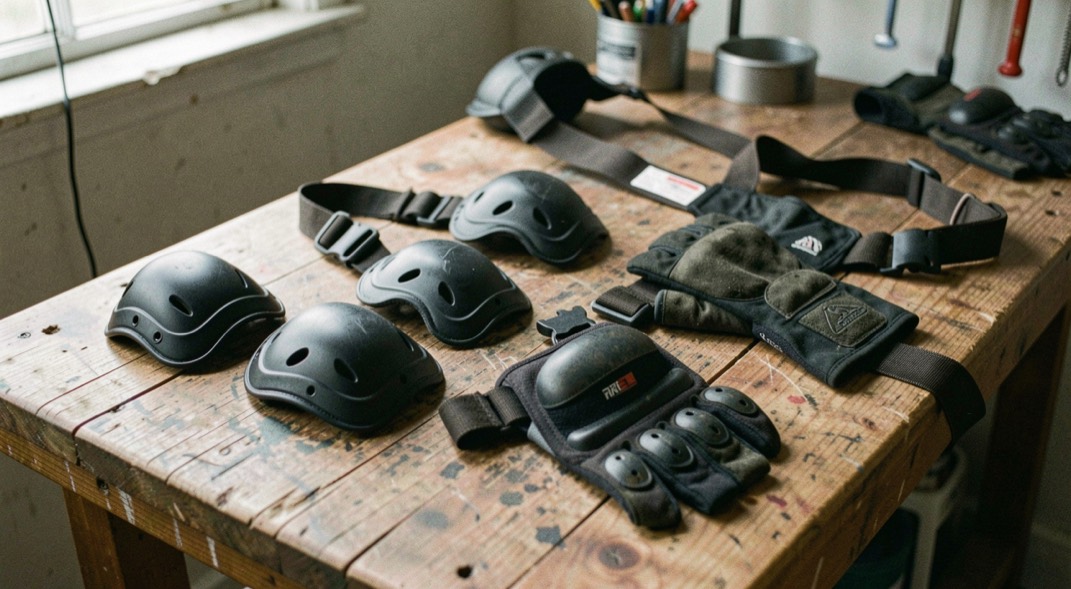
Protective gear is easiest to understand by family rather than brand. Helmets manage energy; pads spread or absorb contact; harnesses connect a person to a rated system; gloves protect grip and skin; footwear manages surface friction.
Helmets Are Not Forever
Public safety guidance commonly emphasizes proper fit and replacement after significant impact. Foam structures may continue to look intact while no longer performing as intended. A documented incident should trigger expert review.
Pads Change Impact Distribution
Padding may absorb energy, spread load or reduce abrasion. Those functions overlap but are not identical. A reviewer can ask what hazard was expected before judging thickness.
Textile and Hardware Wear
Webbing, stitching, buckles and connectors deserve inspection habits separate from cosmetic cleaning. Cuts, chemical exposure, heat, UV and unusual loading can all matter. Manufacturer instructions and qualified inspectors govern specific service life.
Records Make Systems Visible
A good gear log records acquisition, use context, inspections, modifications and retirement. That habit supports accountability without pretending a checklist can replace expertise.
Start With the Hazard, Not the Product
A product category becomes meaningful only after the expected hazard is described. Impact, abrasion, heat, noise, visibility, water and falling-object exposure ask different things from equipment. OSHA's general PPE material emphasizes hazard assessment and also warns against relying on protective equipment as the only control. Engineering choices, barriers, work practices and supervision may remove or reduce exposure before anything is worn.
This hierarchy prevents a common buying error: treating the most technical-looking item as universal protection. A helmet designed and certified for one activity may not address another activity's impact pattern. Gloves that protect against abrasion may reduce dexterity. Thick padding can alter silhouette, heat load or movement. Manufacturer instructions, applicable standards and the qualified person responsible for the work determine suitability.
Fit and Compatibility Are System Properties
Protective items interact with the body and with each other. A helmet can affect hearing or peripheral vision. A harness can conflict with costume layers. Eye protection can fog under heat. Footwear changes traction on a surface. Assessment therefore considers the complete worn system, not a shopping list of isolated parts. Any modification, improvised combination or unusual use needs explicit review by the responsible specialist.
Compatibility also includes communication. If gear makes a cue difficult to hear or a hand signal difficult to see, the production must address that change. The equipment did not fail, but the system may still be weaker. This is why fitting, rehearsal and briefing belong in the same conversation as product specifications.
Inspection Records Create Memory
Visual checks can identify contamination, cuts, loose hardware, damaged stitching or deformation, but not every loss of performance is visible. Service history matters. A useful record names the item, acquisition date, assigned user, inspections, unusual events, cleaning method and retirement decision. It also links to the current manufacturer instructions rather than copying a rule that may become outdated.
- What hazard assessment led to this equipment family?
- Which standard, manufacturer instruction or production rule governs its use?
- Who checks fit and compatibility with the rest of the worn system?
- What event requires removal from service even when damage looks minor?
- Where are inspections, cleaning and retirement decisions recorded?
Comparisons on this site stop at categories, evidence and questions. They do not rank life-safety equipment or replace a competent inspection. That boundary still leaves room for useful commercial content about materials, storage, documentation tools, workwear and supplier transparency, provided claims are specific and sourced.
Source trail
OSHA's non-mandatory PPE assessment guidelines state that protective equipment should work with engineering controls, guards and safe work practices rather than stand alone. OSHA's PPE resources also organize material around hazard assessment, selection, use and training.
Those workplace sources establish a useful hierarchy, but product suitability still depends on the applicable activity, standard, manufacturer and responsible qualified person. The Review does not endorse a brand, certify equipment or convert a general category into a purchasing instruction.
Editorial conclusion
Protective equipment coverage is credible when it begins with hazard assessment, respects other controls and refuses universal claims. Fit, compatibility, training, records and retirement all matter after purchase. The commercial opportunity is substantial, but useful comparisons must remain tied to standards, manufacturer documentation and qualified selection rather than appearance or affiliate margin.