Safety & Gear
Rigging Awareness Without Recipes
Rigging can be discussed responsibly through roles, inspection culture and approval limits without publishing construction recipes.
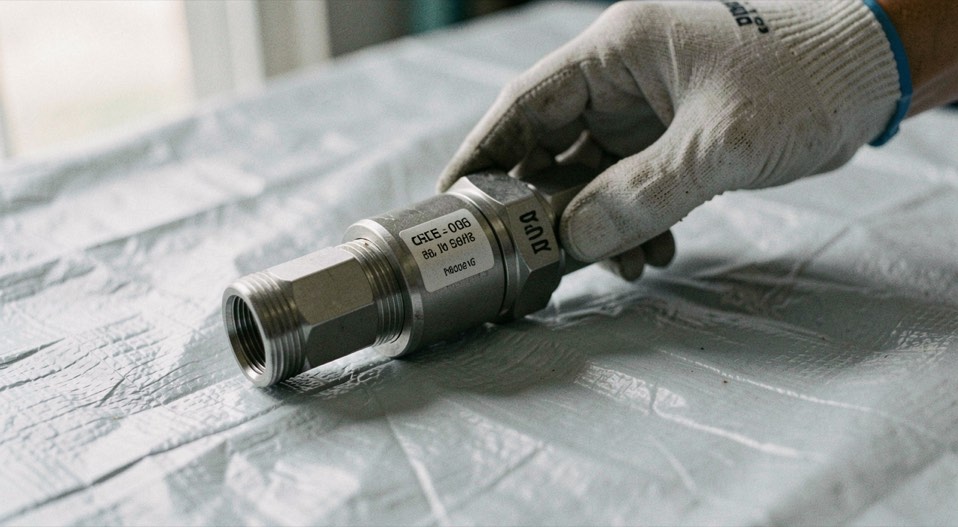
Rigging appears constantly in action imagery, but public explanations often skip the most important fact: it is a specialist discipline. Editors do not need to teach assembly to explain why oversight matters.
System, Not Single Item
A connector, rope, anchor and structure behave as a system. Load path, redundancy, environmental exposure and human error all affect the whole. Discussing one shiny component in isolation misleads readers.
Approval Boundaries Are Information
Useful editorial questions include who owns the design, who inspects after changes, who can stop work and what documentation exists. Those questions respect professional expertise.
The Line This Site Draws
This publication names gear families and roles but publishes no load calculations, anchor selections, knots or assembly sequences. Those belong with qualified professionals and current standards.
Rigging Is an Interface Discipline
Rigging connects people, structures, equipment and movement. That makes it an interface discipline rather than a collection of impressive hardware. A production decision can involve the stunt coordinator, specialist riggers, engineering advice, venue management, performers, camera and rescue provision. The relevant authority changes with jurisdiction and context. A photograph of one connector cannot reveal those relationships or establish that a system is appropriate.
Editorial awareness begins by naming the interfaces. What supports the system? Who controls the environment? Which changes require renewed approval? How are communication and emergency response integrated? These questions help readers understand professional responsibility without giving values, assembly sequences or selection instructions that could be copied outside their intended context.
Documentation Is Part of the Physical System
Plans, inspection records, equipment histories and change controls preserve information that cannot be recovered from appearance alone. A component may look clean while having an unknown loading history. A structure may be familiar while the current configuration changes its assumptions. Documentation allows qualified people to compare what was approved with what is actually present and to stop when the chain of evidence breaks.
Briefings serve a related purpose. They establish terminology, boundaries, cue ownership and the response to a hold. SAG-AFTRA's coordinator standards emphasize proactive engagement with other departments and appropriate safety meetings. Contract Services publishes separate safety bulletins for stunts and specialized activities. Together, those sources show why coordination is a continuing process, not a one-time signoff.
Changes Deserve Their Own Decision
Creative work changes rapidly. Camera position, costume, performer, weather, timing or set dressing can alter the context even when the central visual idea remains. A credible system identifies which changes are routine and which return to the responsible designer, coordinator, engineer or authority. Schedule pressure does not convert an unreviewed change into a minor one.
- Is the article clear about the professional roles involved?
- Does it distinguish generic hardware vocabulary from system approval?
- Does it avoid load values, anchor choices, knots and assembly steps?
- Are inspection history and change control treated as evidence?
- Does it link readers to current official guidance rather than copied folklore?
Responsible rigging coverage can still be detailed about governance, documentation and collaboration. That detail is commercially useful for production software, training providers, insurers and equipment-management services. It simply refuses to turn a public article into an operational substitute for qualified work.
Source trail
SAG-AFTRA's coordinator standards emphasize proactive work with assistant direction, special effects, props and other departments. Contract Services safety bulletins list stunts and specialized activities as subjects with their own current guidance. HSE's entertainment index adds a separate jurisdictional reference.
These documents support the governance discussion: qualified roles, communication, briefing and activity-specific controls matter. They do not authorize any design. The Review publishes no loads, anchors, knots, equipment compatibility claims, rescue procedures or assembly sequence.
Editorial conclusion
Rigging literacy for a general reader means recognizing a professional system and knowing where public explanation must stop. The strongest coverage names interfaces, documentation, change control and responsible roles. It directs real decisions to qualified specialists and current rules. That is more informative than either silence or a detailed recipe stripped of its engineering and production context.