Stunts & Action
Why Practical Effects Still Shape Modern Action
Practical effects remain valuable for weight, texture and actor response even in digital-heavy productions. An editorial look at hybrid action craft.
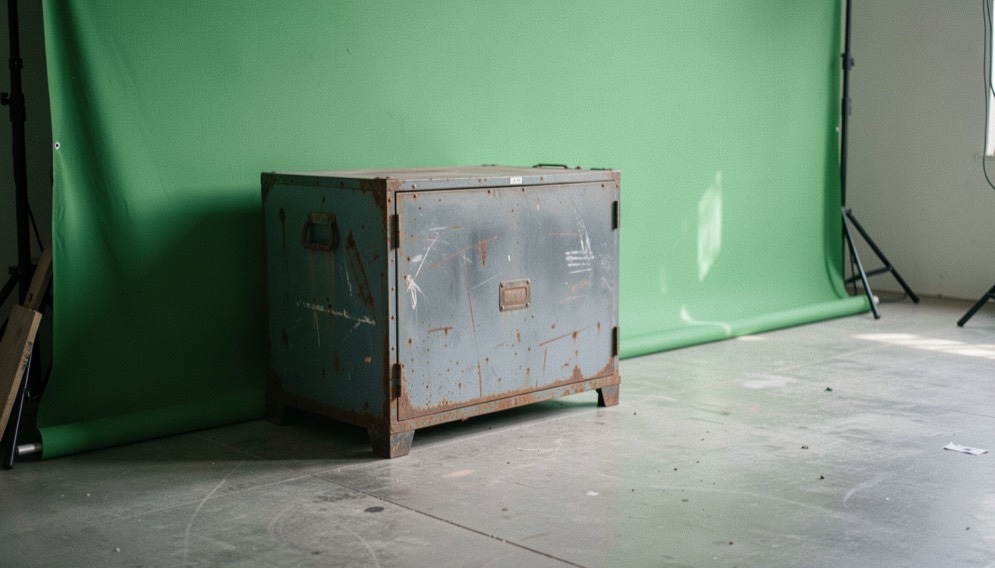
The old opposition between practical and digital effects hides the more useful question: which parts of a shot benefit from physical presence? A hybrid production chooses tools by evidence needed in front of the lens, not by fashion.
Weight and Contact
Objects have inertia. Dust settles, fabric drags and surfaces deform. Those small truths help viewers accept larger impossible moments created later in post-production.
Performance Anchors
Performers respond differently to a real edge than to a tennis ball on a stick. Even when safety rules forbid proximity to danger, a physical stand-in can give eyelines and timing a concrete reference.
Digital Extends Rather Than Replaces
Modern action commonly uses practical elements as anchors and digital tools to remove wires, extend environments or control weather. The best results are planned together instead of patched afterward.
Hybrid Work Starts in Preproduction
The practical-versus-digital argument is most useful when it becomes a planning question. A physical element can provide eyelines, reflections, texture, moving air and a shared timing reference. A digital element can extend scale, remove support equipment, alter an environment or create an image that should never exist physically. Productions often combine both. The quality of that combination depends less on ideology than on whether departments agreed early about what the camera needed to capture and what post-production needed to receive.
That agreement affects lens choice, lighting, exposure, set dimensions and performer blocking. A practical fragment built only for one angle may be entirely convincing in that frame and useless from another. Conversely, a digital extension needs consistent reference for color, perspective and motion. Reviews become more precise when they identify these visual seams and successes without pretending to reconstruct confidential workflows. The finished frame supplies clues, not a complete production report.
Physical Reference Changes Performance
Actors and stunt performers can respond to weight, sound and spatial boundaries that are present in the room. A moving door, a vibrating platform or a breakaway surface may give timing information that an abstract marker cannot. That does not mean every practical element is desirable. It means physical reference has artistic value that must be weighed against control, reset time, cost and specialist oversight. The safest and most efficient answer may still be a partial object, a controlled simulation or no physical event at all.
Practical effects also generate secondary details that viewers read almost unconsciously. Dust catches light, fabric responds to air, and small objects continue moving after the central event. Digital artists can reproduce those details, but a photographed reference gives them a coherent starting point. The strongest hybrid work uses physical truth as data, then extends it deliberately rather than using post-production as an emergency repair for decisions never made on set.
How to Evaluate a Hybrid Sequence
- Look for consistent light, scale and momentum across the physical and extended portions of a shot.
- Notice whether performers have convincing eyelines and reactions to off-camera or enhanced events.
- Ask whether the chosen method supports story clarity instead of existing only as a publicity claim.
- Separate visible craft from assumptions about risk, because a convincing image may come from many safe layers.
- Credit departments and named specialists when production sources make their contributions verifiable.
Industry safety bulletins treat stunts, atmospheric effects, vehicles and other specialized activities as distinct planning subjects. That is a reminder that "practical" is not one technique and never a shortcut around professional controls. A responsible article can explain why a physical reference helped a scene while directing readers to credited coordinators and official production guidance for the underlying responsibilities.
Source trail
Contract Services maintains separate bulletins for stunts, atmospheric effects, vehicles, animals and specialized activities. That structure supports this article's description of practical production as several coordinated disciplines rather than one method. HSE entertainment guidance similarly separates film and television duties by activity and environment.
The aesthetic discussion is an editorial reading of light, motion, texture and performance. Unless a production publishes its process, the Review does not label an element practical or digital as a verified fact. Hybrid work is credited from named making-of material, not guessed from realism.
Editorial conclusion
Practical and digital tools are best understood as choices inside one image-making plan. The interesting question is not which label wins, but which evidence the camera needs, which work belongs to post-production and how departments coordinate the boundary. Reviews should reward coherence, attribution and narrative purpose rather than using craft labels as marketing shorthand.