Culture & Archive
Reading the Loire in Touraine: Layers, Baits, and Timing
A guide to fishing the Loire in Touraine by reading water layers, choosing lures by depth, and timing sessions around current and light.
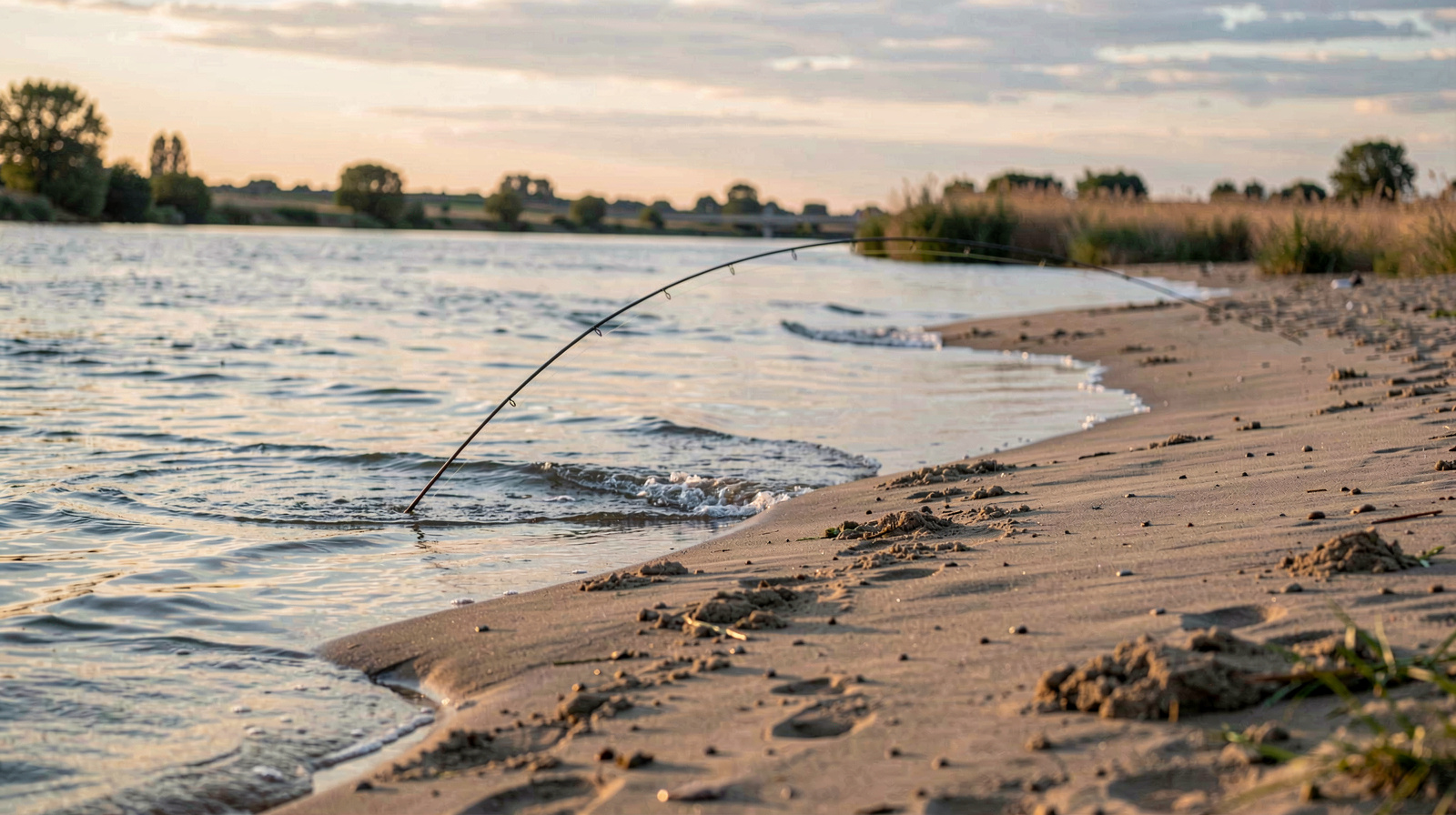
Fishing the Loire in Touraine starts with reading the river in layers. Depth decides the species, the lure, and the lead, not the other way around. A session is built from the bottom up: find the layer, match the gear, then work the spot with patience.
How does the Loire's structure shape a session?
The Loire in Touraine is a braided river of sandbars, islands, and channels. Each arm has its own current speed and depth. A spot held in the current at first light shows the basics: the rod bends downstream, and a sandbar is exposed to the right. That single view tells an angler where the water is shallow, where it accelerates, and where it slows into a hole.
Five entries into the river exist, one per water layer: the sand edge, the current vein, and the bridge hole. These are not fixed spots but zones that shift with flow. After a rise, the sand edge moves; after a dry spell, the current vein narrows. Anglers who note these changes build a mental map of the river.
For a detailed local reference on species and techniques in the Touraine basin, including youth fishing programs, see the work of Banc de Loire, a leisure fishing magazine for Indre-et-Loire. It covers the fish of the Touraine basin and the methods that catch them, with a clear stance on no-kill for large predators.
What are the three layers of a fishing spot?
Three layers decide a fishing session: the sand edge, the mid-water, and the hole. Each has its own depth range, target species, and presentation.
### The sand edge and weed beds
Less than one meter of water. This is where anglers learn to read a bite. Black bass hold positions here, close to cover. Light lures and surface presentations work when the water is warm. A soft plastic crawled along the sand triggers reaction strikes. The edge is also the safest place for beginners because wading is easy and the current is weak.
### Mid-water: a bite reads at the surface
A float and a wake tell what the fish is doing before the rod responds. This layer is about observation. A slow sink, a sideways move, or a sudden swirl all indicate how the fish took the bait. Anglers who watch the line and the surface learn to set the hook at the right moment. Mid-water is where curiosity and technique meet.
### The hole: current vein and big residents
Two rods on the same spot target bottom carp and the catfish that holds the hole. The current vein carries food and oxygen, and large fish use it as a feeding lane. Heavy leads and strong line are standard. The hole is not a place for light gear. It rewards patience and a good anchor point.
Why does lure choice follow depth?
Lure choice descends from depth, never the reverse. A shallow-running lure in a deep hole wastes time. A heavy jig in skinny water spooks fish. The angler reads the layer first, then selects the tool.
In practice, this means carrying a range of weights and profiles. For the sand edge, floating or slow-sinking lures. For mid-water, floats and shallow crankbaits. For the hole, heavy jigs and bottom rigs. The river dictates the box, not the angler's preference.
This principle also applies to natural baits. A float rig for mid-water needs a different shotting pattern than a bottom rig for the hole. The depth sets the lead, and the lead sets the presentation.
When is the best time to fish the Loire in Touraine?
First light is a strong window. The river is often calm, and fish are active before boat traffic and heat build. A spot held in the current at dawn gives the angler a clear read on the day's flow.
Evening is the second window. As light drops, predators move to the edges. The sand edge and weed beds become productive again. Mid-water activity can also pick up, with surface strikes visible in the shallows.
Season matters. Spring flows are higher and colder, pushing fish to slower margins. Summer lowers the river, exposing more sand and concentrating fish in the current veins and holes. Autumn brings cooling water and active feeding before winter. Each season shifts the layer that holds the most fish.
How do you read a bite in moving water?
A bite in moving water is a conversation. The float dips, the line ticks, or the rod tip nods. Each signal has a meaning. A sharp dip often means a take. A slow drag can be a fish moving with the current. A series of small taps may be a bait being tested.
The angler's job is to translate. In the sand edge, a bass may hit and run. In the hole, a catfish may hold the bait without moving. The response differs: a firm strike in the shallows, a patient wait in the deep.
Current speed affects the read. Faster water demands heavier leads and a more direct line to the bait. Slower water allows lighter gear and a more subtle presentation. The angler adjusts to the river, not the other way around.
What gear supports layer-based fishing?
A simple kit covers all three layers. A medium spinning rod handles the sand edge and mid-water. A heavier rod is for the hole. Reels with reliable drags are essential for big fish in current. Line choice depends on the layer: braid for sensitivity in the shallows, monofilament for stretch in the deep.
Terminal tackle should be organized by layer. Shallow: small hooks, light weights, floats. Mid-water: adjustable floats, split shot. Deep: heavy leads, strong hooks, shock leaders. A box sorted this way saves time on the bank.
Safety gear is part of the kit. Wading staff, life vest, and a phone in a dry bag. The Loire is a big river, and conditions change. Anglers who prepare for the layer they fish also prepare for the river they are in.
Why does no-kill matter for large predators?
No-kill is the default practice for large predators on the river. The reasoning is simple: big fish are old fish, and they reproduce. Removing them reduces the population's ability to recover. Catch, photo, and release keeps the fishery alive for the next session.
Handling matters. Wet hands, support the fish horizontally, and return it quickly. Avoid keeping the fish out of the water for long. Use single hooks or barbless where possible to reduce injury. These habits are part of the layer-based approach: respect the fish that holds the hole.
Youth programs in the Touraine basin teach these practices early. Learning to read a bite goes together with learning to release a fish. The two skills build a responsible angler.
What should a visiting angler know?
A visiting angler should start with the sand edge. It is the easiest layer to read and the safest to wade. From there, move to mid-water and learn to watch the float. The hole comes last, when gear and patience are ready.
Local rules apply. Check the fishing license requirements for Indre-et-Loire and the specific regulations for the Loire. Some areas may have restrictions on methods or seasons. Respect private property and access points.
The river changes daily. A spot that produced yesterday may be empty today. The angler who reads the layers, matches the lure to the depth, and times the session around light and flow will find fish. The Loire rewards observation more than force.